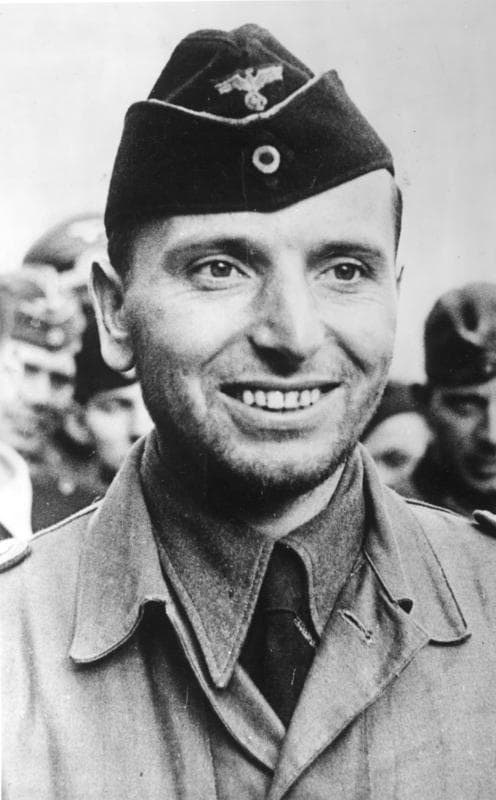
Otto Kretschmer
THE ACE OF THE ATLANTIC
OTTO KRETSCHMER
Otto Kretschmer (1912–1998) was Germany’s most successful U-boat commander of World War II – a calm, calculating naval officer whose stealth tactics and ruthless efficiency earned him the nickname “The Silent Otto.” Credited with sinking more Allied tonnage than any other submarine commander in history, Kretschmer became a legendary figure of the Battle of the Atlantic and one of the Kriegsmarine’s most celebrated war heroes.
Early Life and Naval Career
Born in May 1912 in Upper Silesia, then part of the German Empire, Kretschmer grew up in a disciplined middle-class family and showed academic talent from an early age. Fascinated by the sea and military life, he joined the Reichsmarine in 1930 during the difficult interwar years when Germany’s navy remained heavily restricted under the Treaty of Versailles. Like many ambitious young officers, he trained rigorously and quickly gained a reputation for intelligence, professionalism, and composure under pressure. Kretschmer initially served aboard light cruisers and training ships before volunteering for the submarine service in the mid-1930s. At the time, Germany was secretly rebuilding its naval strength under Adolf Hitler. The young officer embraced submarine warfare enthusiastically, believing U-boats represented Germany’s best chance to challenge British naval supremacy. By 1939 he had received command of the submarine U-23, beginning the career that would make him one of the most feared men in the Atlantic Ocean.
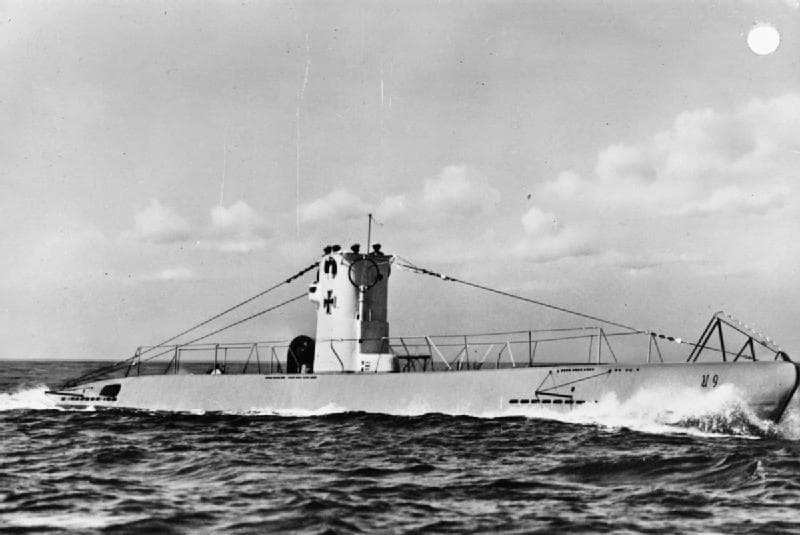
A Type IIB U-boat similar to U-23
The Master of Silent Warfare
When World War II erupted in September 1939, Kretschmer immediately distinguished himself through patience, precision, and tactical innovation. Unlike aggressive commanders who attacked recklessly, he preferred stealth and calculated strikes. His personal motto became: “One torpedo, one ship.” Rather than wasting ammunition, Kretschmer stalked convoys at night from the surface, moving silently into ideal firing positions before unleashing devastating attacks at close range. His methods proved extraordinarily effective. While commanding U-23 and later the famous U-99, he sank dozens of Allied merchant vessels with remarkable efficiency. Kretschmer became the leading star of Karl Dönitz’s growing U-boat force. Dönitz admired him not only for his success but also for his discipline and cool-headed leadership. Crew members described Kretschmer as quiet, highly intelligent, and emotionally controlled even during dangerous engagements. Unlike some Nazi military celebrities, he rarely sought public attention and avoided dramatic speeches or propaganda performances. By 1941 Kretschmer had sunk nearly 50 ships totaling more than 270,000 gross registered tons – the highest score achieved by any U-boat commander during the war. British convoys crossing the Atlantic feared encountering his submarine. Allied sailors often reported that attacks by U-99 seemed to emerge from nowhere before disappearing again into darkness. His extraordinary success earned him Germany’s highest military decorations, including the Knight’s Cross of the Iron Cross with Oak Leaves and Swords. Nazi propaganda portrayed him as the ideal submarine commander: fearless, disciplined, and unstoppable beneath the waves.
The Battle of the Atlantic
Kretschmer fought during the most dangerous phase of the Atlantic campaign, when German submarines came close to crippling Britain’s supply routes. U-boats targeted merchant convoys carrying food, fuel, and weapons from North America to Europe. If Britain’s maritime lifelines collapsed, the country could potentially be starved into submission. Operating under Dönitz’s “wolfpack” strategy, Kretschmer participated in coordinated attacks involving multiple submarines hunting convoys together. Yet even among elite U-boat captains, his effectiveness stood apart. He often achieved more with fewer torpedoes and lower risk than many of his peers. Still, the Atlantic campaign grew increasingly deadly. Allied escort ships improved radar systems, sonar detection, air patrols, and convoy tactics. The hunters gradually became the hunted. Every patrol carried enormous danger, and casualty rates among German submariners became catastrophic. By war’s end, the U-boat service suffered one of the highest fatality rates of any branch of the German military. Capture and Years as a Prisoner Kretschmer’s remarkable combat career came to a sudden end in March 1941. During an attack on convoy HX-112 in the North Atlantic, U-99 was detected and relentlessly pursued by British destroyers. After severe depth-charge attacks crippled the submarine, Kretschmer realized escape was impossible. Refusing to sacrifice his crew needlessly, he ordered U-99 scuttled and commanded his men to abandon ship. Unlike many U-boat commanders who died with their vessels, Kretschmer survived and was captured by the British along with most of his crew. For Nazi Germany, the loss of its most successful submarine ace was a major propaganda blow. For the British, capturing him alive was a valuable intelligence victory. Kretschmer spent the remainder of World War II as a prisoner of war in Canada and Britain. Even in captivity he maintained strict discipline and authority among German prisoners. He participated in several escape attempts and was considered a highly influential officer inside POW camps. Fellow prisoners often treated him with near-legendary respect due to his wartime achievements.
Personality and Reputation
Unlike many prominent figures in Nazi Germany, Kretschmer was not known primarily as a political ideologue. He appeared far more committed to naval professionalism and military duty than to public Nazi activism. Historians continue debating the extent of his ideological loyalty to the regime, though he unquestionably served Germany’s war effort with determination and skill. His leadership style emphasized calmness, efficiency, and responsibility toward his crew. Survivors frequently noted that Kretschmer avoided unnecessary risks and cared deeply about the lives of his sailors. This contrasted sharply with the increasingly desperate attitude that dominated Germany’s military leadership later in the war. At the same time, Kretschmer remained part of a brutal naval campaign that contributed to immense destruction and loss of life across the Atlantic. Thousands of merchant sailors died aboard torpedoed ships, often in freezing waters far from rescue. Though admired as a tactician, Kretschmer’s successes were inseparable from the destructive goals of Nazi Germany’s war machine.
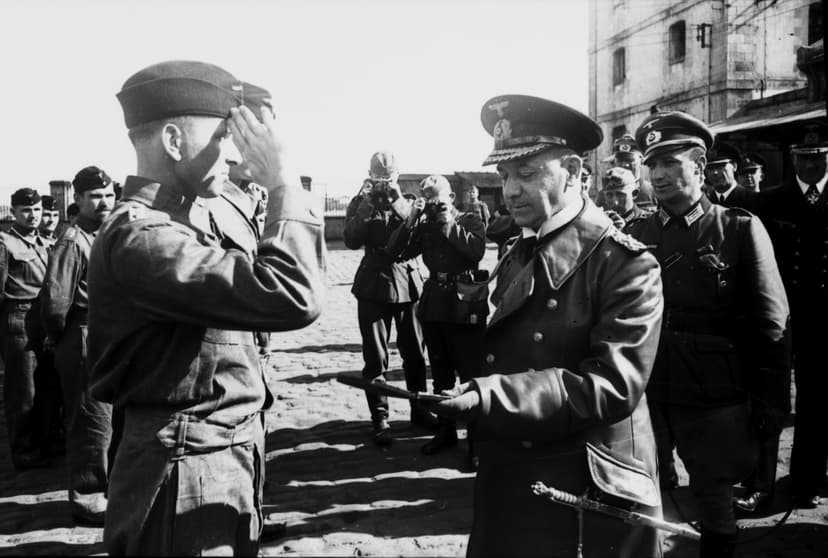
Kretschmer receiving his Knight's Cross
Postwar Life and Later Career
Released from captivity after the war, Kretschmer eventually joined the West German Bundesmarine in the 1950s as West Germany rebuilt its armed forces within NATO. Remarkably, the former U-boat ace once again rose through naval ranks in democratic Germany, serving in various senior command positions during the Cold War. His return to military service reflected the complicated postwar reality in West Germany, where experienced former Wehrmacht officers were often reintegrated into the new armed forces. Kretschmer became respected within NATO naval circles for his expertise in submarine warfare and maritime strategy. By the time he retired as a flotilla admiral in 1970, he had spent decades serving two entirely different German states: Nazi Germany and democratic West Germany. Otto Kretschmer died in August 1998 at age 86 after an accident during a vacation in Bavaria. Even decades after the war, his name remained synonymous with submarine warfare.
Legacy
Otto Kretschmer’s legacy remains deeply complex. Naval historians frequently describe him as one of the greatest submarine tacticians in history – a commander whose stealth, patience, and precision transformed undersea warfare. His record of sunk tonnage remains unmatched among submarine commanders. To admirers, Kretschmer embodied professionalism, courage, and tactical brilliance under extreme conditions. To critics, he was still a highly effective officer serving one of history’s most criminal regimes and contributing directly to a devastating war of aggression. What remains undeniable is that Otto Kretschmer became one of the defining figures of the Battle of the Atlantic: a silent predator beneath the ocean whose skill and discipline made him both legendary and feared throughout World War II.